#What Fitbit Nails That Smartwatches Miss
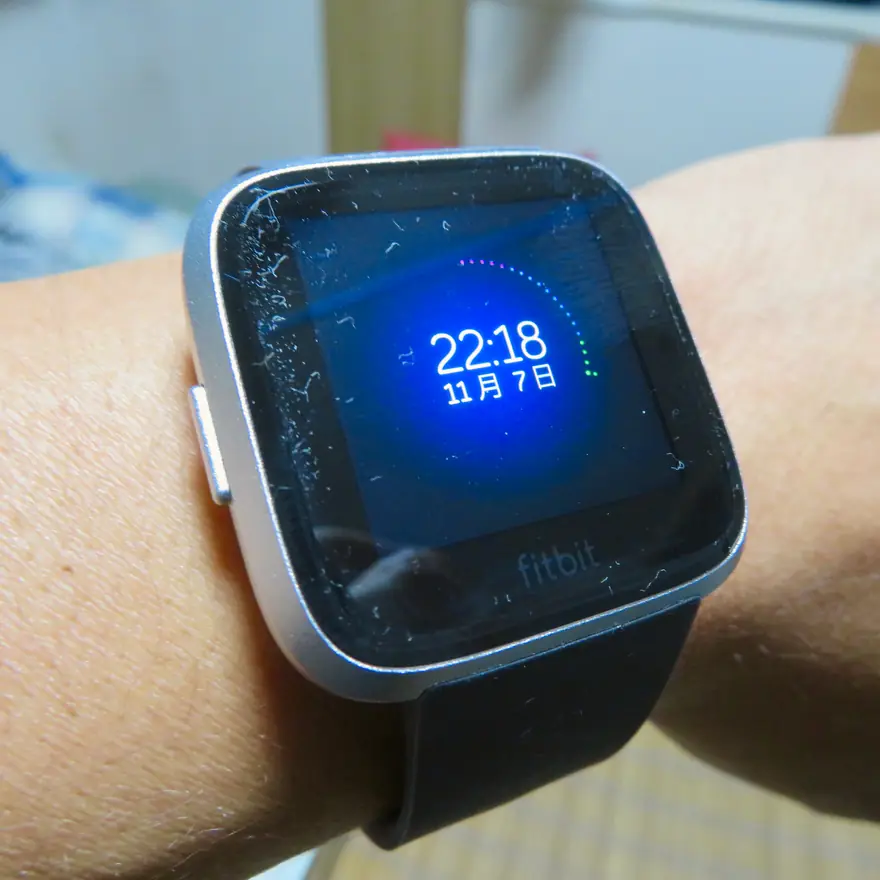
Charging anxiety changes how a device actually gets worn. People take off an Apple Watch to charge it overnight and lose their sleep data; a Fitbit just stays on for a week straight. That continuity is what makes the sleep scores genuinely useful: the algorithm sees every single night, including the rough ones after a Sabres overtime loss.
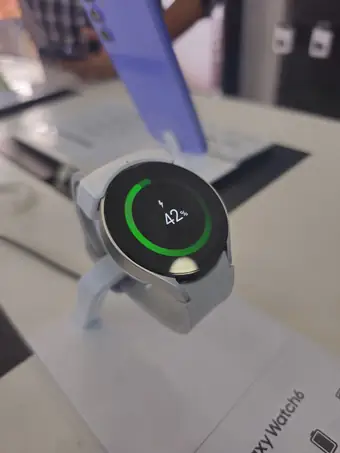
The platform is refreshingly neutral. One household can run an iPhone, a Pixel, and a Motorola, and every wrist syncs to the same app with the same charts. No other major wearable brand pulls that off cleanly. The tradeoff is apps: there is no wrist based Google Maps or tap to pay ecosystem to speak of on the trackers, so if you want a tiny phone on your arm, the Galaxy Watch rankings or the Apple Watch Series 8 guide is the read to do instead.
The subscription math is worth knowing before committing. Premium runs 9.99 dollars a month and unlocks the readiness scores and deeper sleep breakdowns. The free tier already covers everything a casual user needs, and every new device ships with a six month Premium trial, so the extra charts can be tested for real before any payment.
Fitbit lineup on Amazon
All four current models, side by side, with Prime delivery across Western New York.
As an Amazon Associate, AldoMedia.Biz earns from qualifying purchases.
View on Amazon (opens in a new tab)