Google Nest
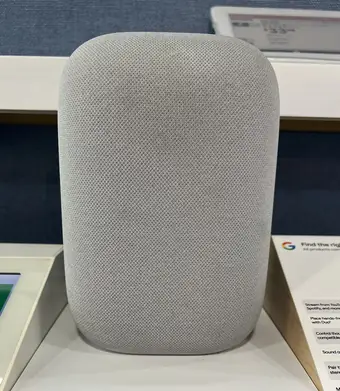
The Google half of the smart speaker aisle.
Hi-Fi Corner: Buffalo NY
One cylinder, five beamforming tweeters, and a woofer with 20mm of travel: the second generation HomePod is the rare smart speaker made for people who care how music sounds. This is what 299 dollars buys, when a stereo pair makes sense, and the trade-offs Apple hopes you will not notice.
Updated July 2026 · Midnight and white finishes · Editors rating 4.8 / 5
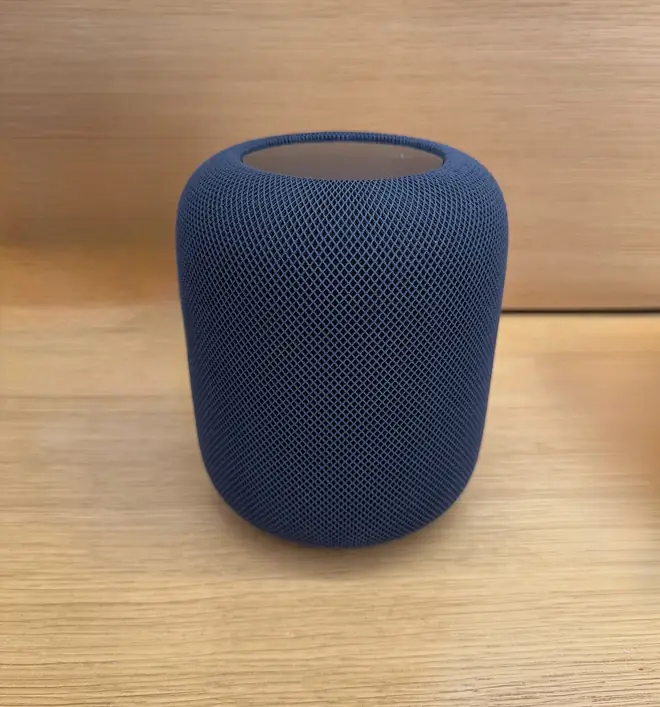
Set the smart speaker label aside for a minute. The full size HomePod is a legitimate small hi-fi system, with a high excursion woofer, an array of five beamforming tweeters, and four microphones that measure the room and retune the output in real time.
In Buffalo housing stock, that room sensing trick matters more than in a showroom. The plaster walls, radiators, and bay windows of a Parkside craftsman all bounce sound unpredictably, and the HomePod compensates within seconds of the first track. Instruments stay separated on a dense mix at volumes that turn lesser speakers into mud, and the bass reaches genuinely low without the boom that annoys the neighbors on the other side of a West Side double.
The 99 dollar HomePod mini is a smart home gadget that plays music; the full HomePod is a music system that happens to run your smart home. Both share the temperature sensor, the hub duties, and Siri. Only one makes you sit down and actually listen.
A single HomePod fills a bedroom or office without strain. The transformation arrives with a second unit: at 598 dollars a stereo pair produces a soundstage wide enough to replace a mid range soundbar and most bookshelf systems. The two speakers split channels properly, hand off bass intelligently, and disappear visually in a way a 40 inch bar never will.
Movie night changes once that pair meets an Apple TV 4K. Dialogue anchors to the screen, effects wrap the couch, and a Sabres broadcast gains the arena atmosphere that a TV speaker flattens. Setup takes two taps in the Home app, with no receiver and no speaker wire across the floor. The catch: the Apple TV is mandatory for TV duty, because the HomePod has no HDMI or optical input of its own.
A pair of HomePods plus an Apple TV 4K lands under 730 dollars, which is less than most premium soundbar bundles.
As an Amazon Associate, AldoMedia.Biz earns from qualifying purchases.
Audio reaches a HomePod over AirPlay and nothing else. iPhones, iPads, and Macs stream flawlessly, but an Android phone, a Windows gaming rig, or grandma's tablet cannot connect at all. Mixed households should check the Sonos guide before spending here.
Siri handles timers, HomeKit scenes, and Apple Music requests reliably; it trails Google on open ended questions. And there is no option to swap assistants later.
Lossless streaming and voice control do their best work inside Apple's own service. Spotify plays fine via AirPlay from a phone, but it always feels like a guest rather than a resident.
| Speaker | Price | Strength | Inputs | Verdict |
|---|---|---|---|---|
| HomePod 2 | $299 | Room tuned bass | AirPlay | Apple homes |
| HomePod mini | $99 | Value, hub duties | AirPlay | Small rooms |
| Sonos Era 100 | $249 | Every service | Wi-Fi, Bluetooth, line in | Mixed homes |
| Stereo HomePod pair | $598 | Soundbar killer | AirPlay, Apple TV | Living rooms |
Yes, with an Apple TV 4K. Set two HomePods as the default output and the result is wide, cinematic sound with real bass, no soundbar required. Without an Apple TV there is no HDMI input, so the plan falls apart. Budget for the whole stack.
No, not directly. Audio arrives only over AirPlay from Apple devices, so a Windows laptop, an Android phone, or a turntable cannot connect at all. That is the single biggest reason mixed gear households get steered toward Sonos instead.
Honestly, almost anywhere. The room sensing listens to reflections and rebalances the output within seconds, so a bookshelf, a corner table, or a spot six inches from a plaster wall all work. The one requirement is a solid surface, because it can buzz on hollow furniture at high volume.
On a 299 dollar speaker that lives around kids, pets, and drink glasses, 39 dollars for three years is a yes. Out of warranty repairs run close to half the price of a new unit, which makes the coverage cheap insurance.
If a first generation still works, keep it as a second room speaker. The second generation adds the temperature sensor, faster Siri, and easier repairs, but the sound gap between them is modest. Originals fetch 80 to 120 dollars used locally, which offsets a new purchase nicely.
Take one for the office, or a pair for the living room. Delivery covers all of Erie County in about two days.
As an Amazon Associate, AldoMedia.Biz earns from qualifying purchases.